About

Home > About

ABOUT US

The Wilderness

Collection

Three lodges • Two horizons • One unbroken caldera

We started The Wilderness Collection because we felt the great safari lodges had grown loud. So we built the opposite: small houses, few rooms, long views, and staff who'd rather know your name than your room number.

— The Founders, Arusha

The Crater

A bowl carved by a collapsed volcano

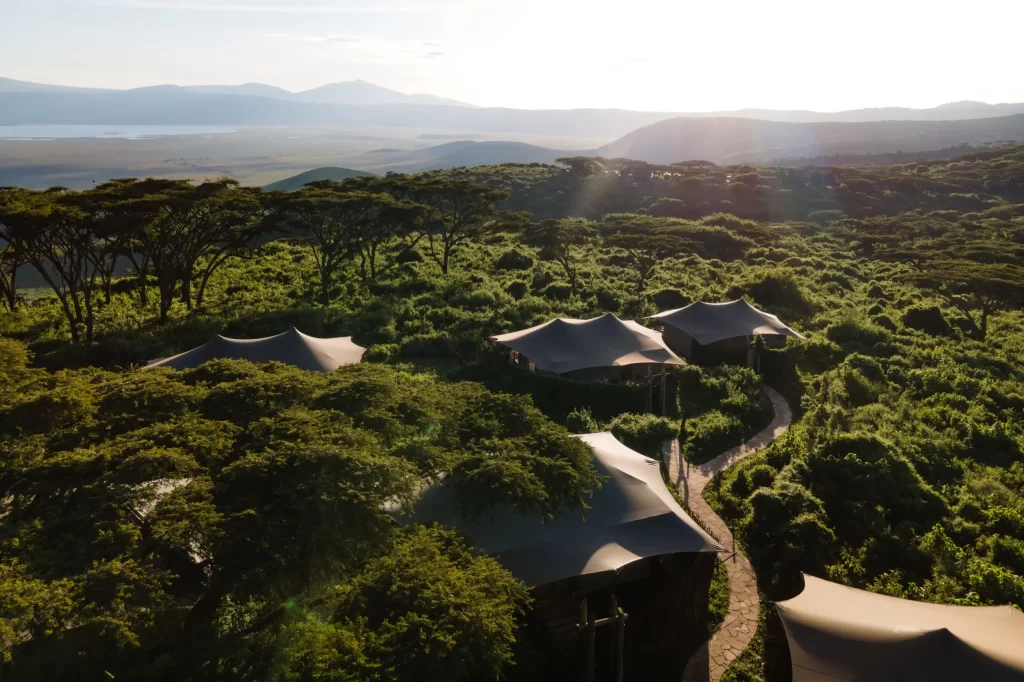
Two to three million years ago a great volcano erupted, emptied, and fell in on itself — leaving behind a near-perfect bowl some sixteen kilometres across and six hundred metres deep. What remains is the largest unbroken, inactive caldera anywhere in the world: a self-contained world of grassland, forest, soda lake and spring, ringed by walls that hold its weather and its wildlife in place.

The Second Horizon

And the open Serengeti

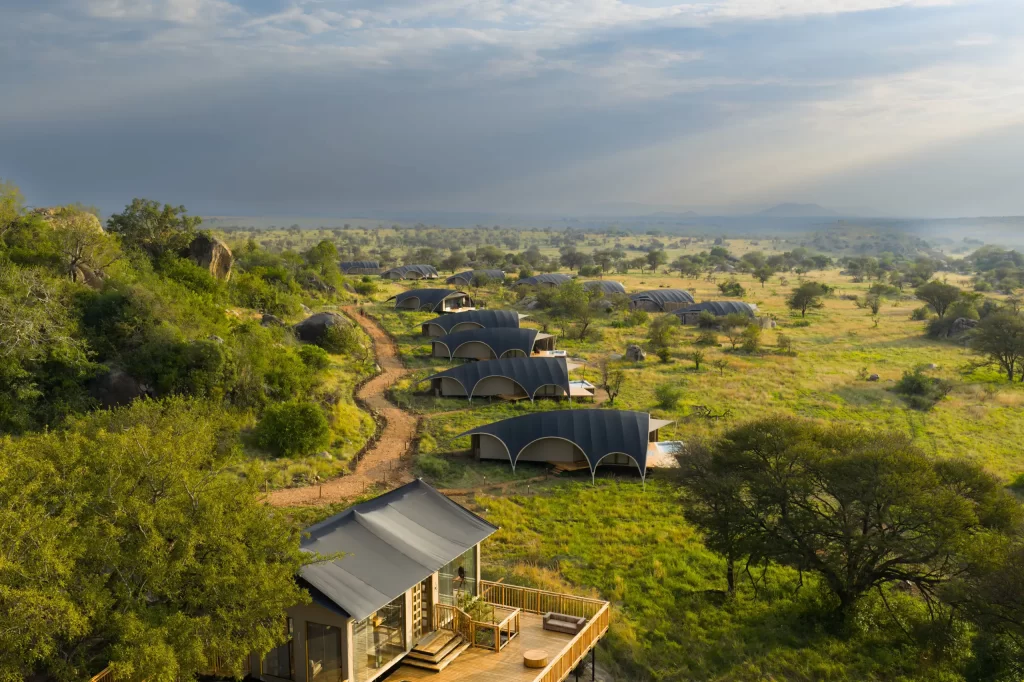
A day's journey west, the highlands give way to the endless plains of the Central Serengeti — and to our second lodge, Warangi Ridge. Where the crater encloses, the Serengeti opens: fifteen tented suites on a low ridge, uninterrupted grassland to every horizon, and game on the move throughout the year. Two landscapes, two ways to wake up, one collection.

Protected Ground

Twice recognised
by the world.

The crater sits at the heart of the Ngorongoro Conservation Area — a vast protected region that gathers the short-grass plains of the southern Serengeti and the ancient volcanoes of the highlands, along the western wall of the Great Rift Valley.

It holds UNESCO World Heritage status twice over: once for the sheer density and diversity of its wildlife, and again for what its soils preserve of our own beginnings — among the oldest evidence anywhere of how humankind came to walk upright across these plains.
Stand on the rim.

The shortest way to understand this place is to wake up above it. Tell us when, and we'll arrange the rest.